Advanced Skin Rejuvenation for Acne, Pigmentation, Melasma and Skin Texture Concerns
Chemical peels are among the most widely used aesthetic skin treatments for improving skin texture, skin tone, pigmentation, acne, acne marks and early signs of aging. The treatment works by applying carefully selected chemical solutions to the skin, promoting controlled exfoliation and renewal of skin cells. At Aesthetic Dental & Skin Clinic, Nagpur, chemical peel treatments are customized according to skin type, skin sensitivity, pigmentation depth, acne severity and treatment goals.
What is a Chemical Peel?
A chemical peel is a skin resurfacing procedure that uses specially formulated acids to remove damaged outer layers of skin and stimulate skin renewal. As older skin cells are shed, healthier new skin cells emerge, resulting in smoother, brighter and more even-looking skin. Chemical peels can be performed at different depths depending on the concern being treated.

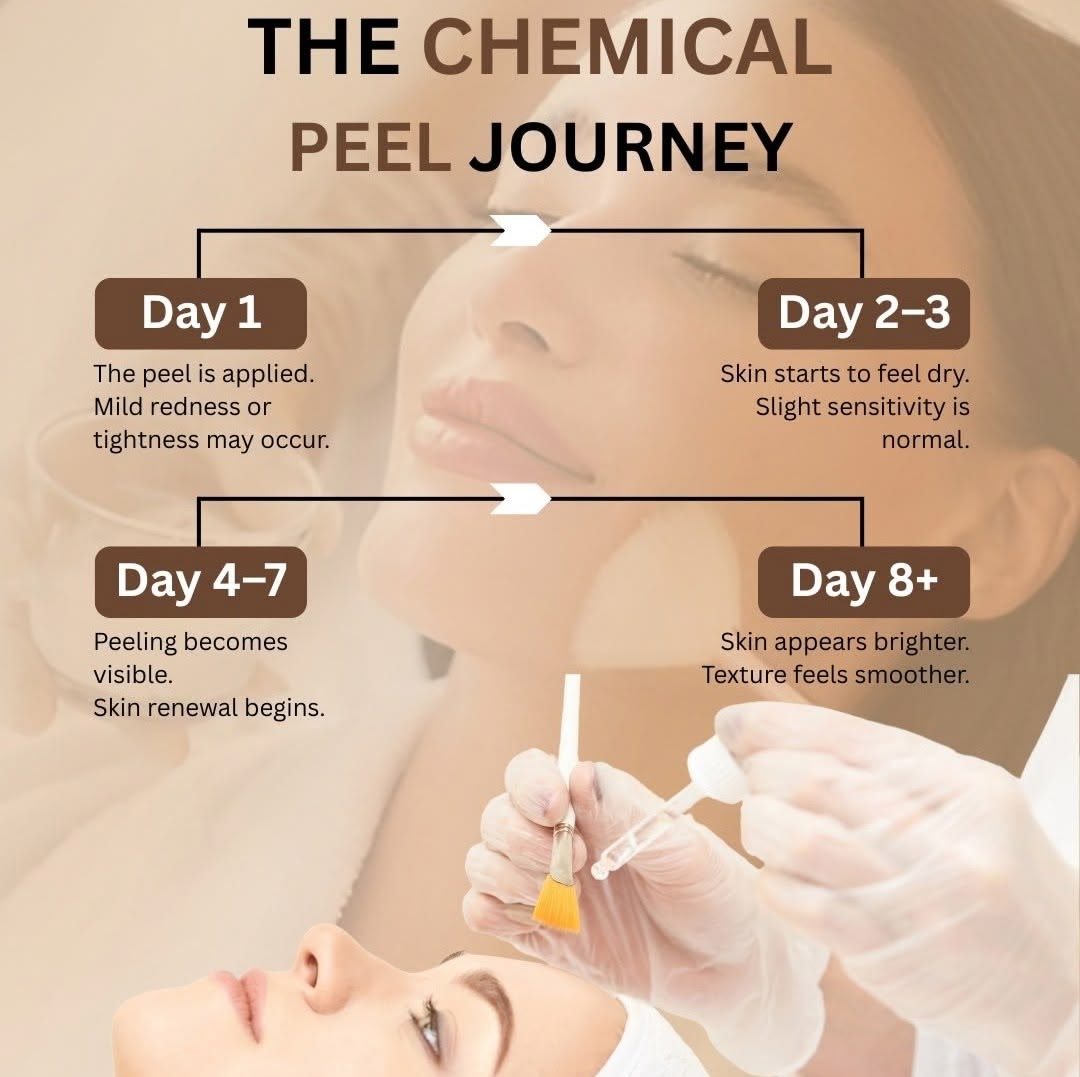
Skin Concerns That May Benefit from Chemical Peels
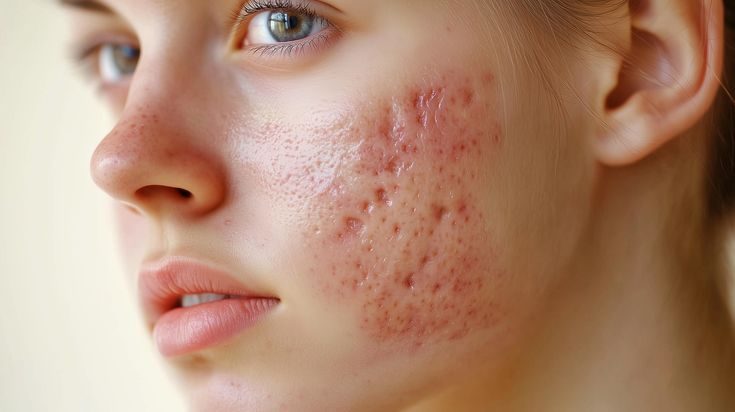
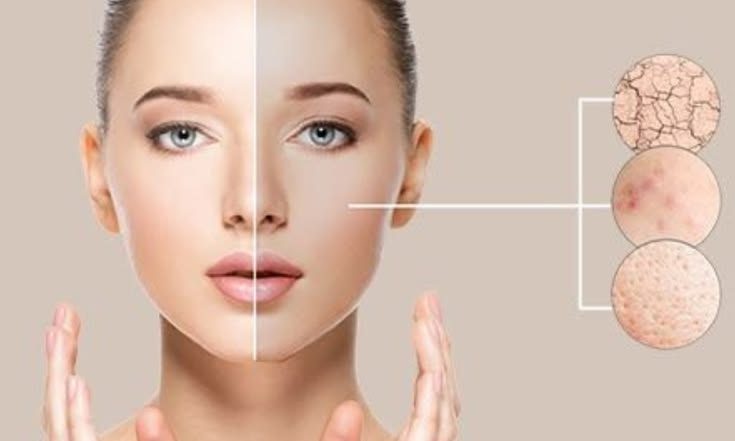
Chemical peels may be considered for: Acne-prone skin Acne marks Pigmentation Uneven skin tone Dull skin Sun-damaged skin Enlarged pores Rough skin texture Early signs of skin aging Suitability is determined after clinical evaluation.
How Does a Chemical Peel Work?
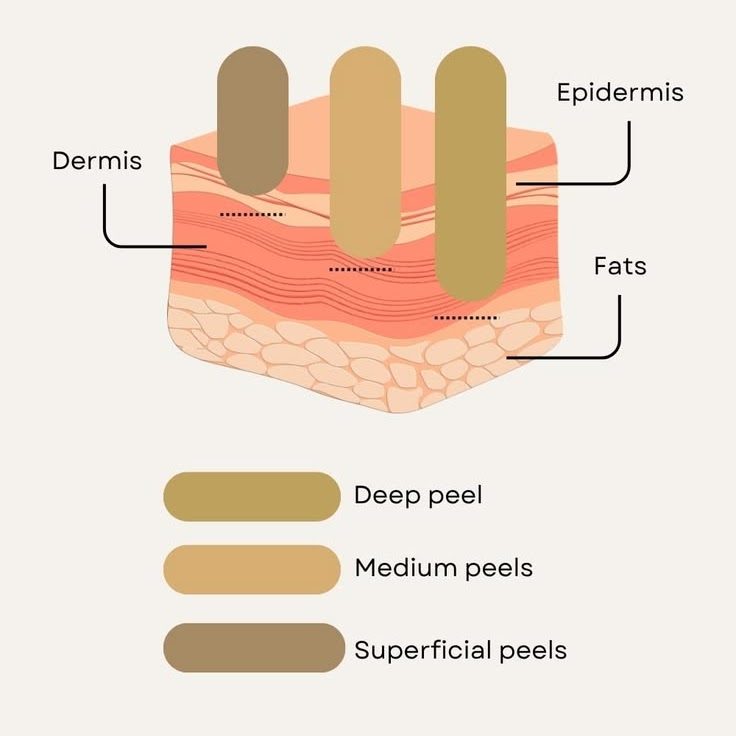
The peel solution: • Exfoliates damaged skin cells • Promotes cellular turnover • Improves skin texture • Helps reduce pigmentation • Supports acne management • Stimulates collagen remodeling in selected cases The depth of penetration determines the strength and effect of the peel.
Types of Chemical Peels
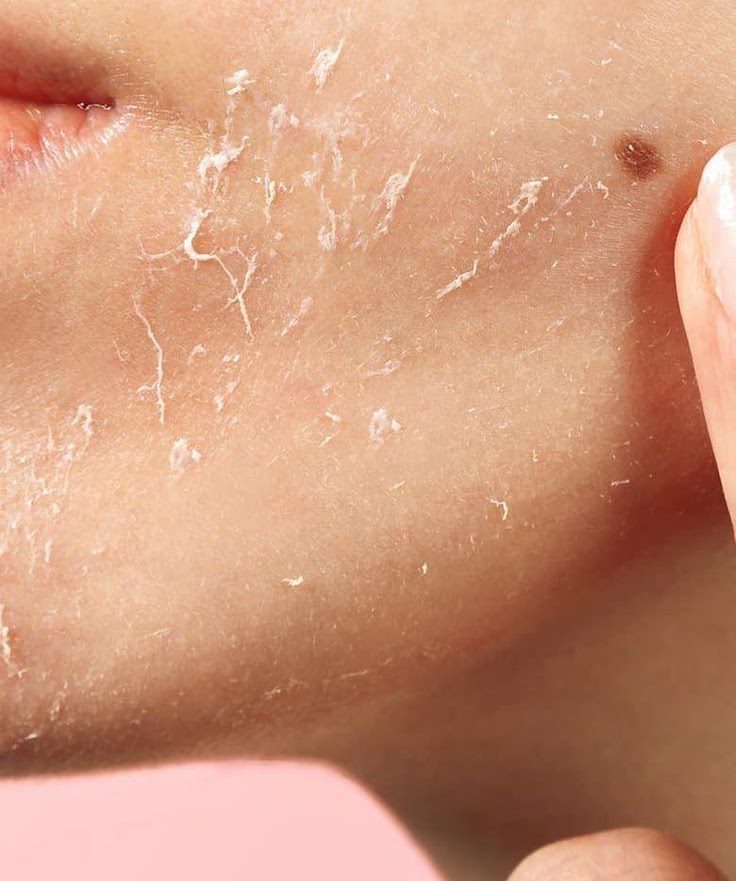
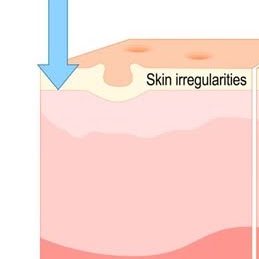
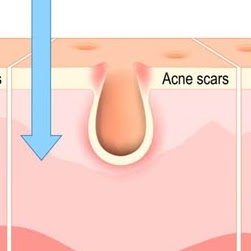
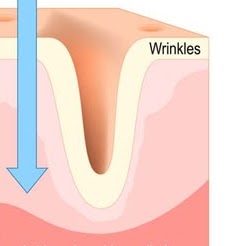
SUPERFICIAL PEELS Designed to gently exfoliate the outermost layer of the skin and improve overall skin appearance. COMMON EXAMPLES Glycolic Acid Peel Lactic Acid Peel Mandelic Acid Peel Salicylic Acid Peel Jessner's Peel (light concentration) COMMONLY USED FOR Mild pigmentation Acne Oily skin Dull skin Uneven skin tone Enlarged pores RECOVERY Minimal downtime Mild redness Occasional flaking SESSION FREQUENCY Usually every 2–4 weeks depending on skin condition. MEDIUM-DEPTH PEELS May be recommended for selected pigmentation concerns and skin texture improvement. COMMON EXAMPLES TCA (Trichloroacetic Acid) Peels Modified Jessner's Peels Combination Peels COMMONLY USED FOR Moderate pigmentation Melasma Acne scars Sun damage Fine lines Uneven texture RECOVERY Redness Peeling for several days Temporary sensitivity SESSION FREQUENCY Determined according to skin response and treatment goals. DEEP PEELS May be recommended for deep pigmentation concerns and wrinkle improvement. Deep peels penetrate into deeper layers of the skin. COMMONLY USED FOR Severe photoaging Deep wrinkles Significant skin damage RECOVERY Longer downtime Significant peeling Extended healing period Deep peels require careful patient selection and are performed less frequently than superficial peels. CUSTOMIZED CHEMICAL PEELS Treatment plans may be tailored according to individual skin type and treatment objectives.
Types of Chemical Peels
How is the Procedure Performed?
Skin Consultation
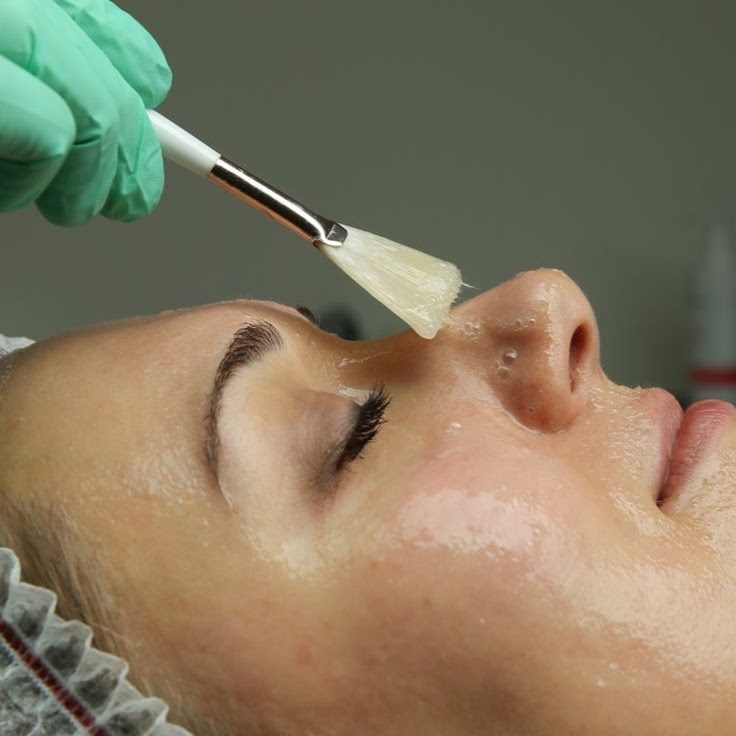
A detailed consultation is performed before treatment. Skin assessment Medical history review Discussion of concerns Treatment planning
Skin Preparation
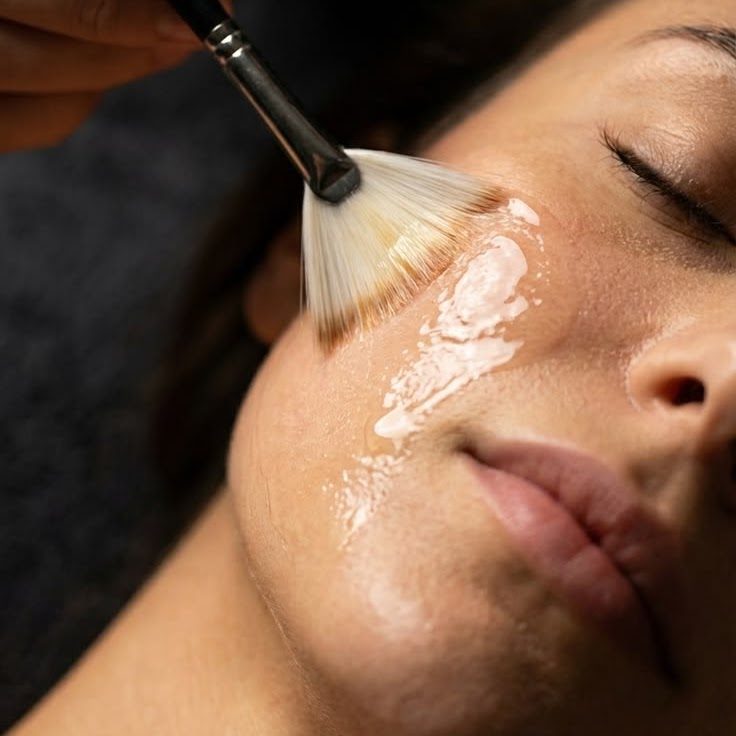
The treatment area is cleansed and prepared. This may include: Sunscreen Medical-grade skincare Pigmentation preparation protocols
Peel Application
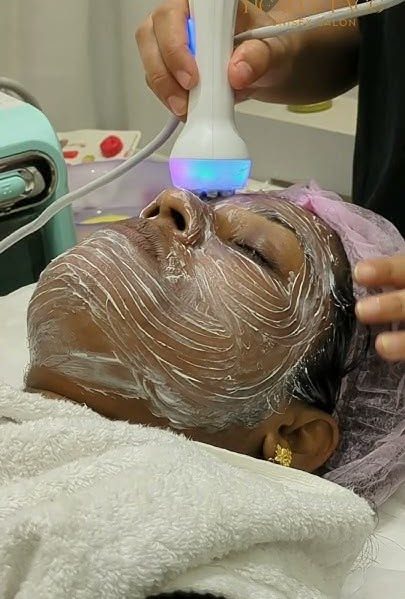
The selected peel solution is applied according to the treatment plan. The selected peel is applied for a carefully controlled period. Patients may experience: Mild warmth Tingling Temporary stinging sensation
Post-Treatment Care
Patients receive instructions regarding skincare, sun protection and follow-up care. Possible temporary effects include: Mild redness Tightness Dryness These usually improve over time.
Possible Side Effects
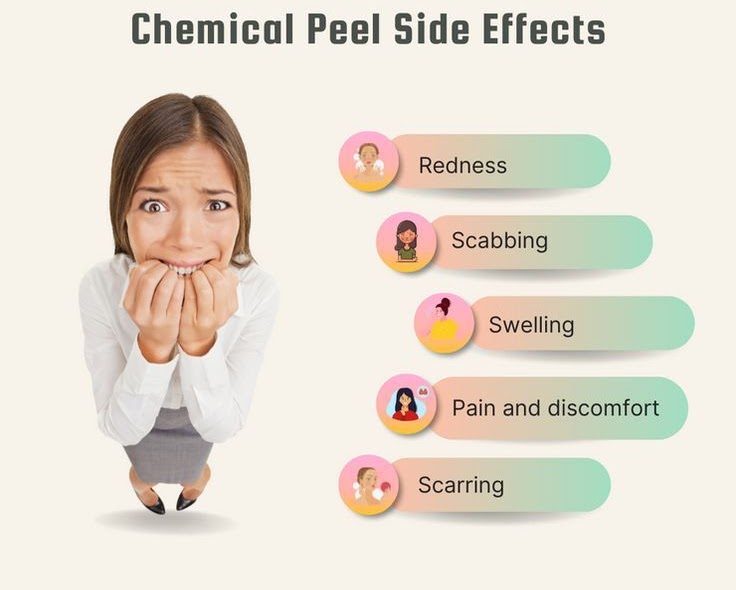
Potential temporary side effects may include: Redness Dryness Peeling Mild irritation Temporary sensitivity Most effects are temporary and vary among individuals.
Who is a Good Candidate?
Chemical peels may be suitable for individuals concerned about: Acne Acne marks Pigmentation Melasma Dull skin Uneven skin tone Early signs of aging Suitability is determined after consultation.
Downtime After Chemical Peel
Downtime varies depending on the type and strength of the peel used. MILD PEELS Minimal downtime Mild redness for a few hours Normal activities usually resumed immediately MEDIUM-DEPTH PEELS Mild redness and peeling for several days Temporary skin sensitivity Sun protection becomes especially important DEEP PEEL Longer recovery period More intensive aftercare Recommendations vary according to the treatment performed.
Benefits of Chemical Peel Treatment
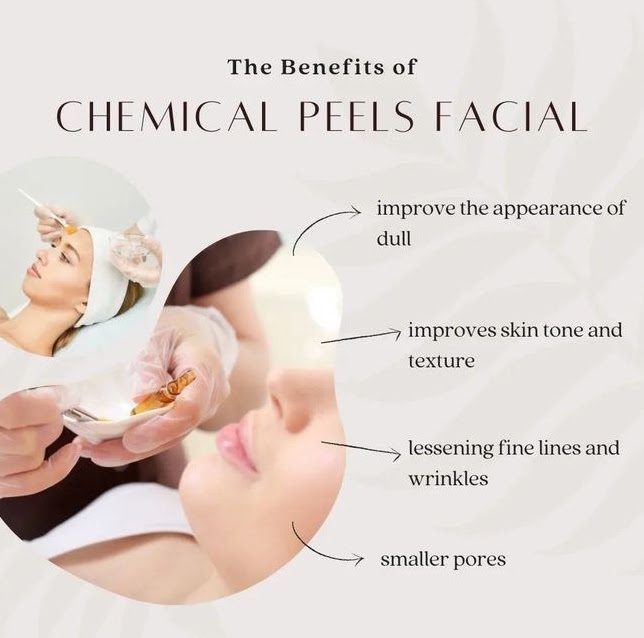
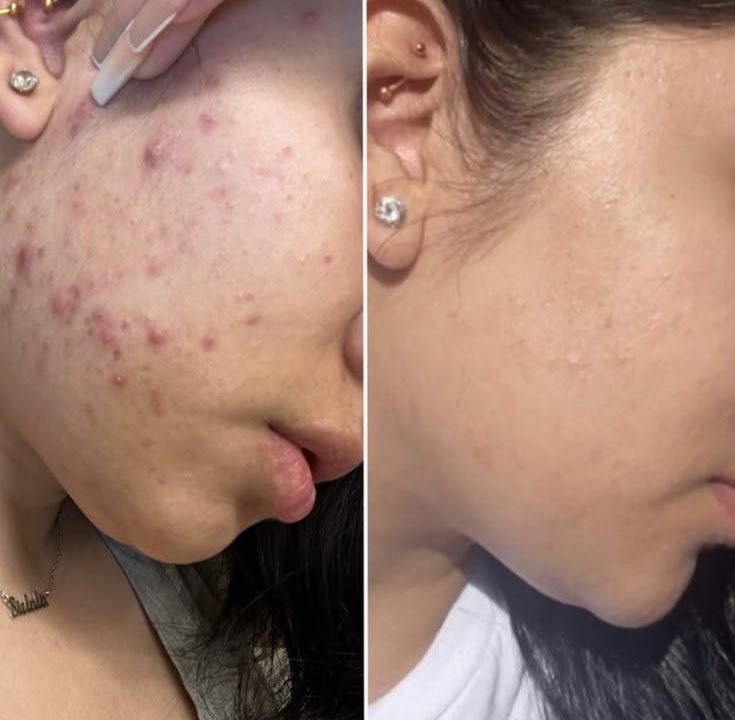
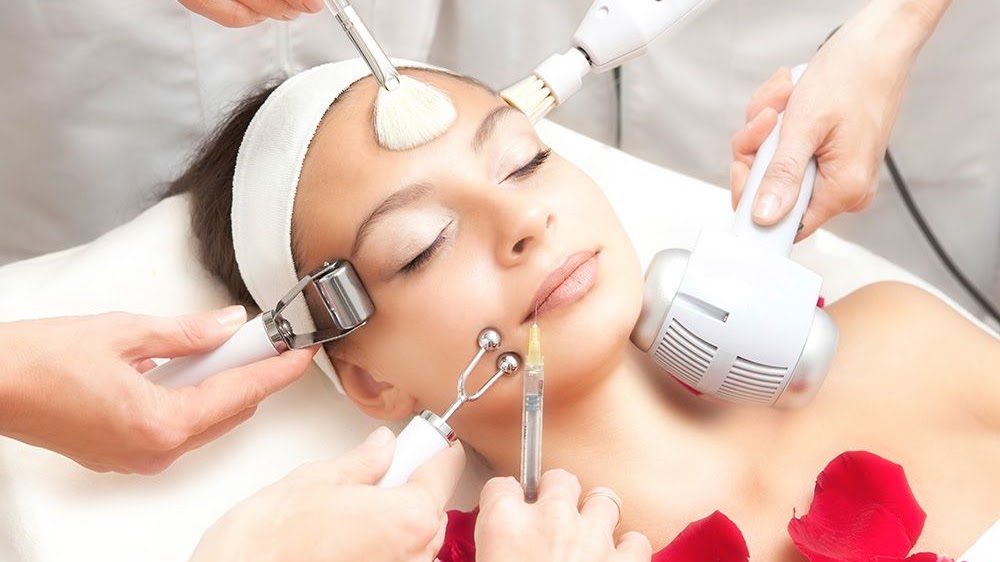
Potential benefits may include: • Improved skin texture • Brighter and healthier-looking skin • Reduction in acne marks • Improvement in certain pigmentation concerns • Enhanced skin clarity • More even skin tone Individual outcomes vary depending on skin type and treatment plan.
How Many Sessions Are Needed?
The number of sessions depends on: Skin concern being treated Severity of pigmentation or acne Skin type Individual treatment goals Response to treatment Recommendations are provided after consultation.
Aftercare Following Chemical Peel
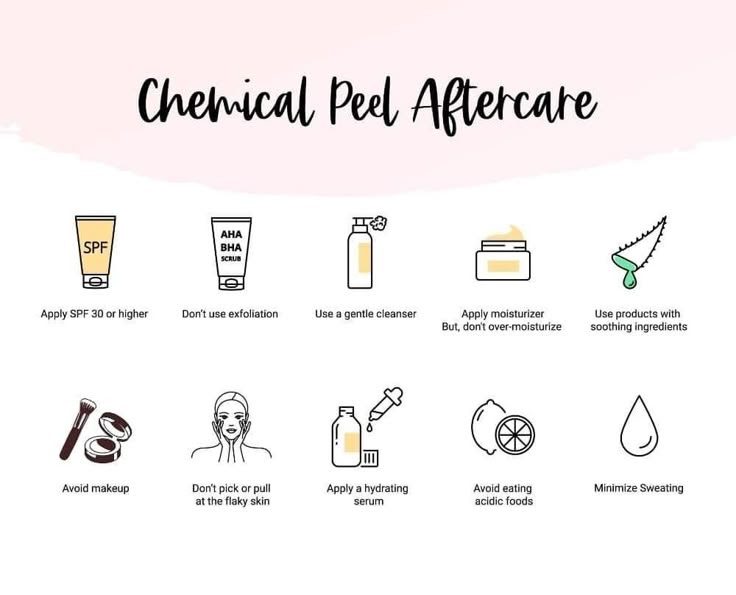
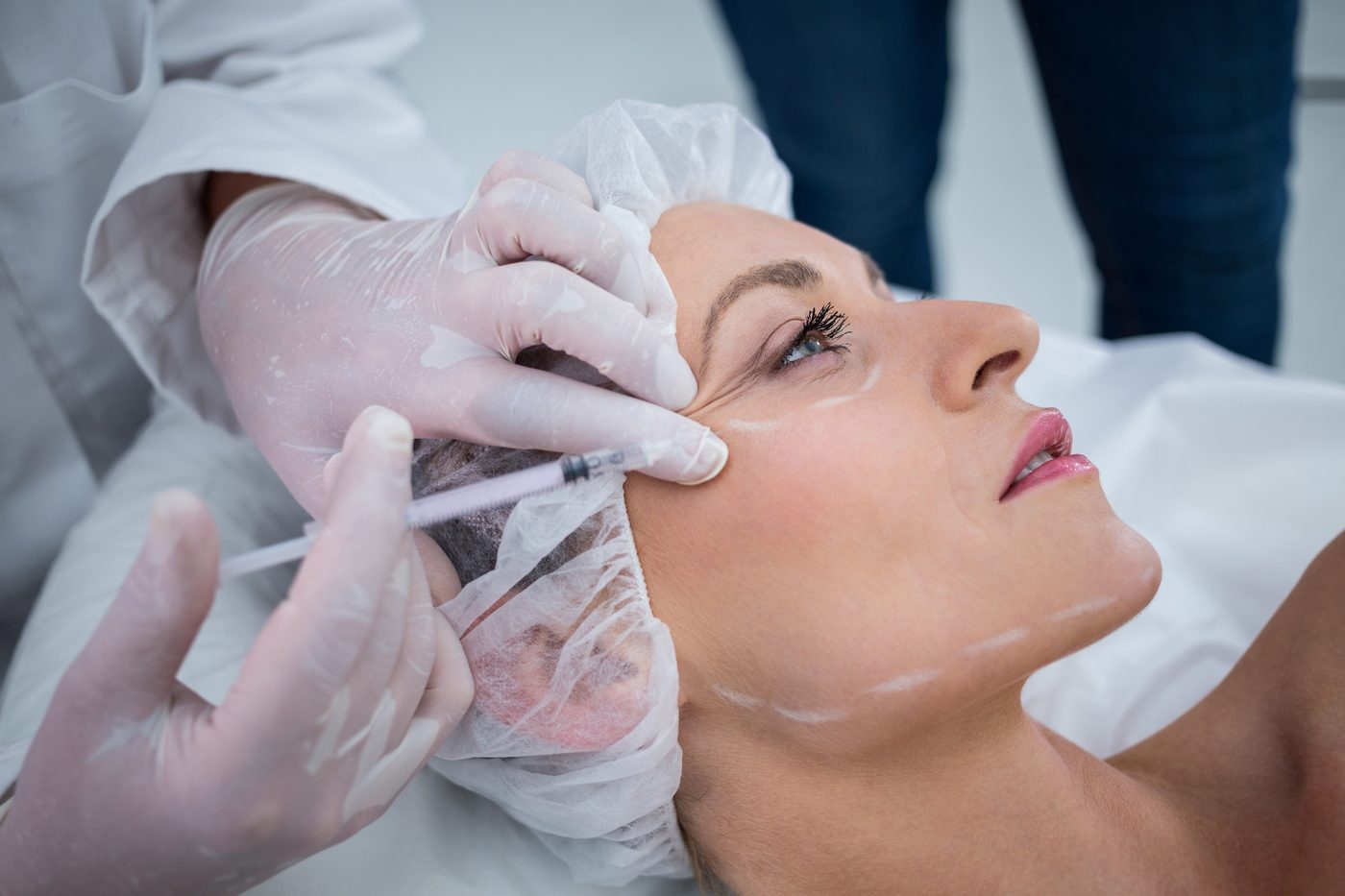
Patients are generally advised to: Use sunscreen regularly Avoid excessive sun exposure Follow recommended skincare instructions Avoid picking or scratching the skin Attend follow-up appointments as advised Proper aftercare plays an important role in treatment outcomes.
FAQ
Frequently Asked Questions
Is a chemical peel painful?
Most patients experience mild tingling or warmth during the procedure. Individual experiences may vary.
Can chemical peels help acne?
Chemical peels may be incorporated into acne management plans for suitable candidates.
Can chemical peels improve pigmentation?
Certain pigmentation concerns may improve with appropriately selected peel treatments.
How long does a session take?
Treatment duration varies but is typically completed within a routine clinic appointment.
Will I need multiple sessions?
Many patients benefit from a series of treatment sessions depending on their skin concerns.

Why Us
Why Choose Aesthetic Dental & Skin Clinic?
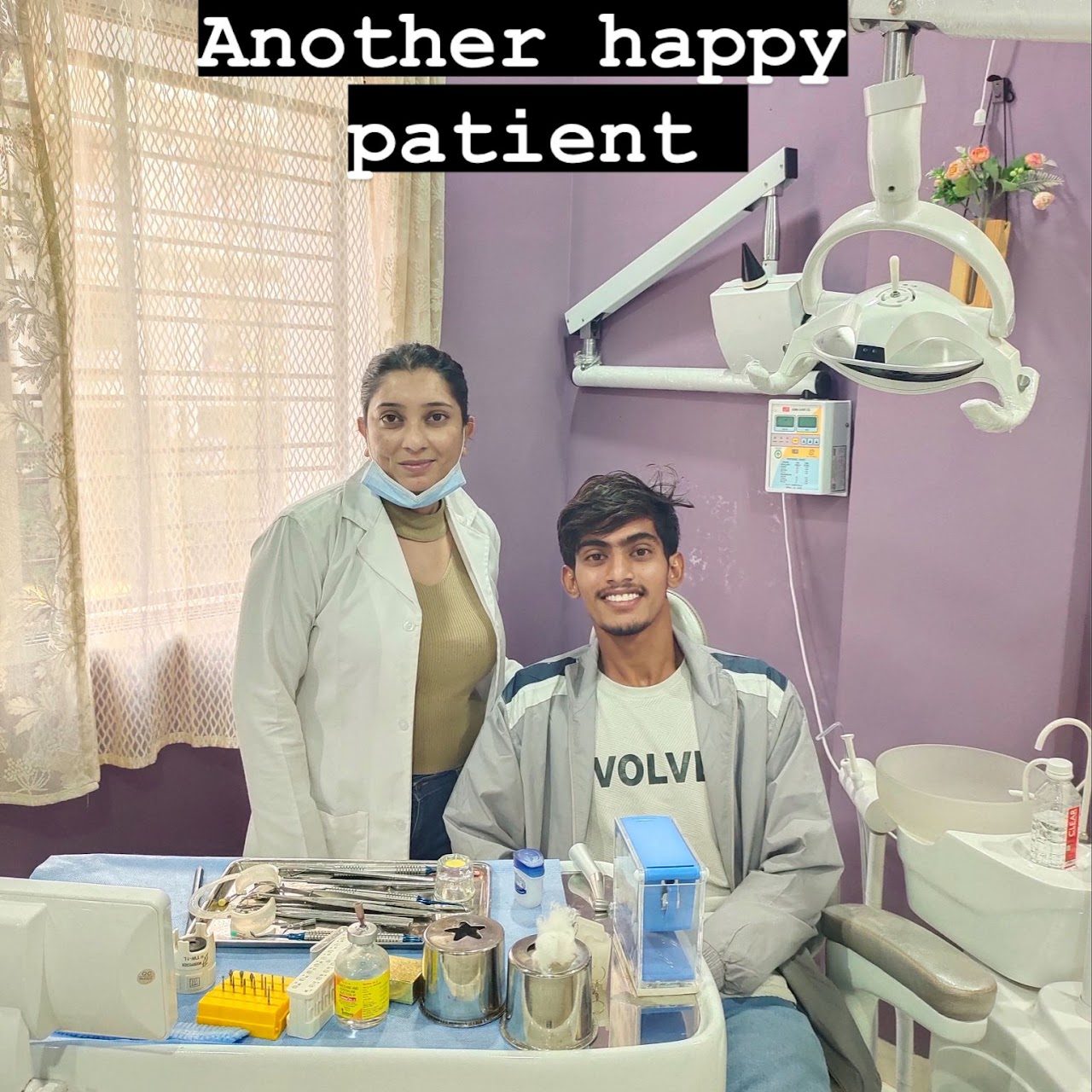
Personalized skin assessment
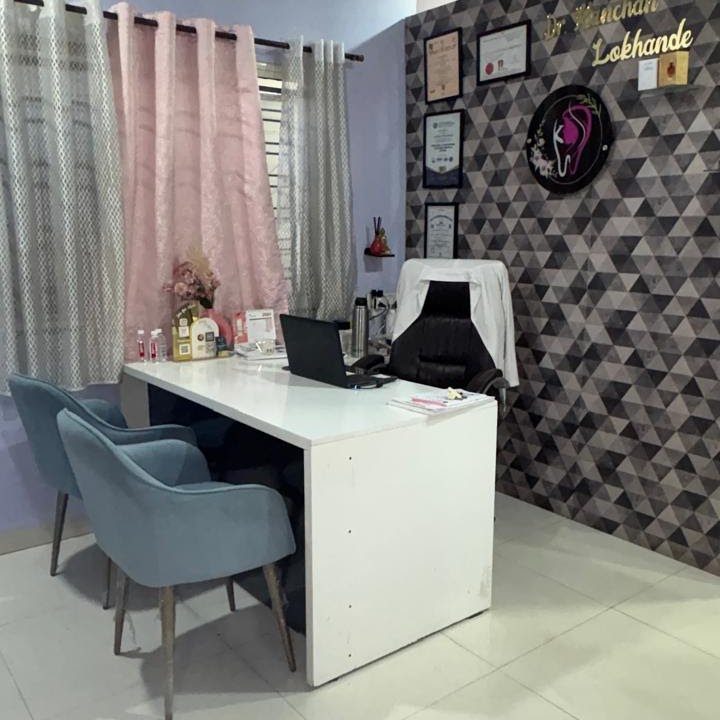
Customized treatment planning
Modern aesthetic procedures
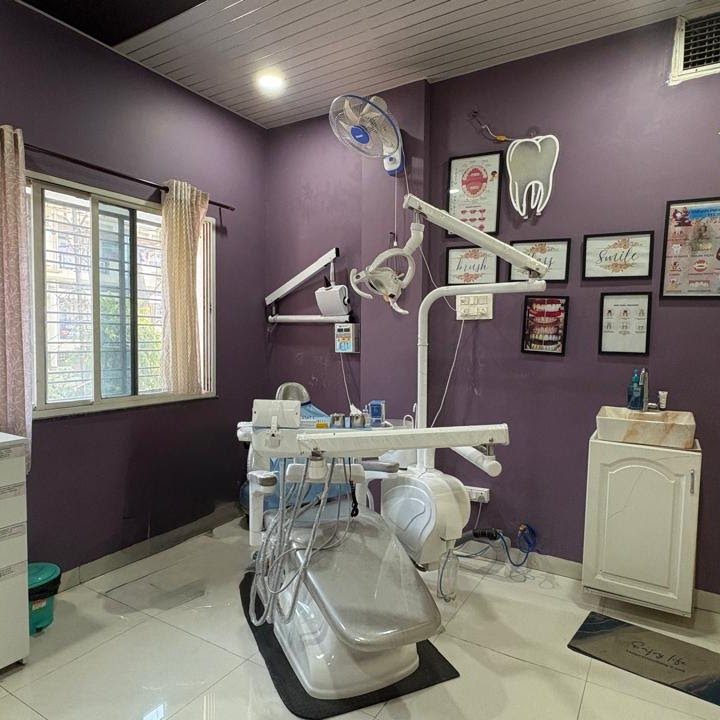
Evidence-based clinical approach
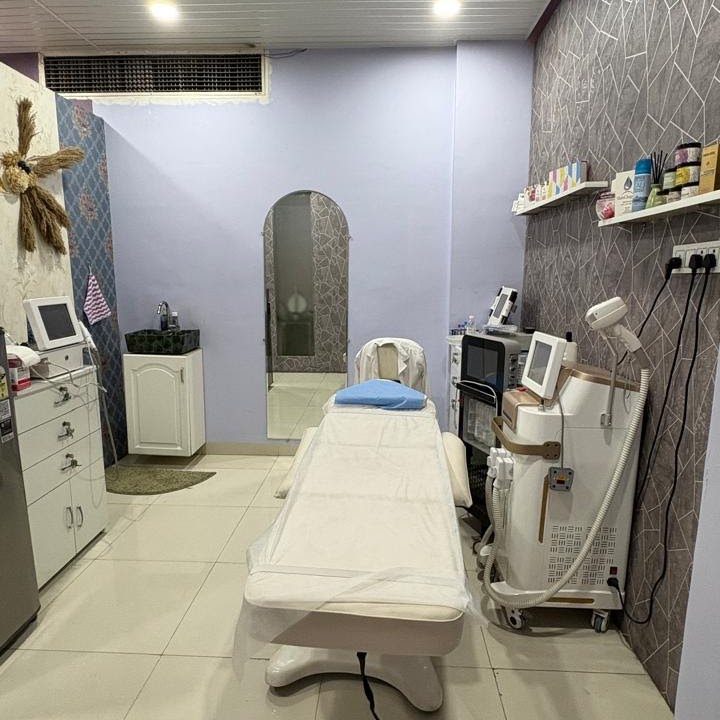
Focus on patient safety and skin health
Book a Consultation
If you are looking for chemical peel treatment for acne, pigmentation or skin rejuvenation, schedule a consultation at Aesthetic Dental & Skin Clinic, Nagpur. Mon–Sat: 11:00 AM – 8:00 PM · Sunday by appointment only.
Aesthetic Dental & Skin Clinic, Nagpur — comprehensive dental, skin, hair and aesthetic laser treatment by Dr. Kanchan Lokhande.
Treatments
Contact
- +91 82376 67762
- aestheticdentalandskinclinic@gmail.com
- 197, First Floor, Above Dhanalakshmi Auto Deals, Gajanan Square, Juni Shukrawari Road, Sakkardara, Nagpur, Maharashtra 440024